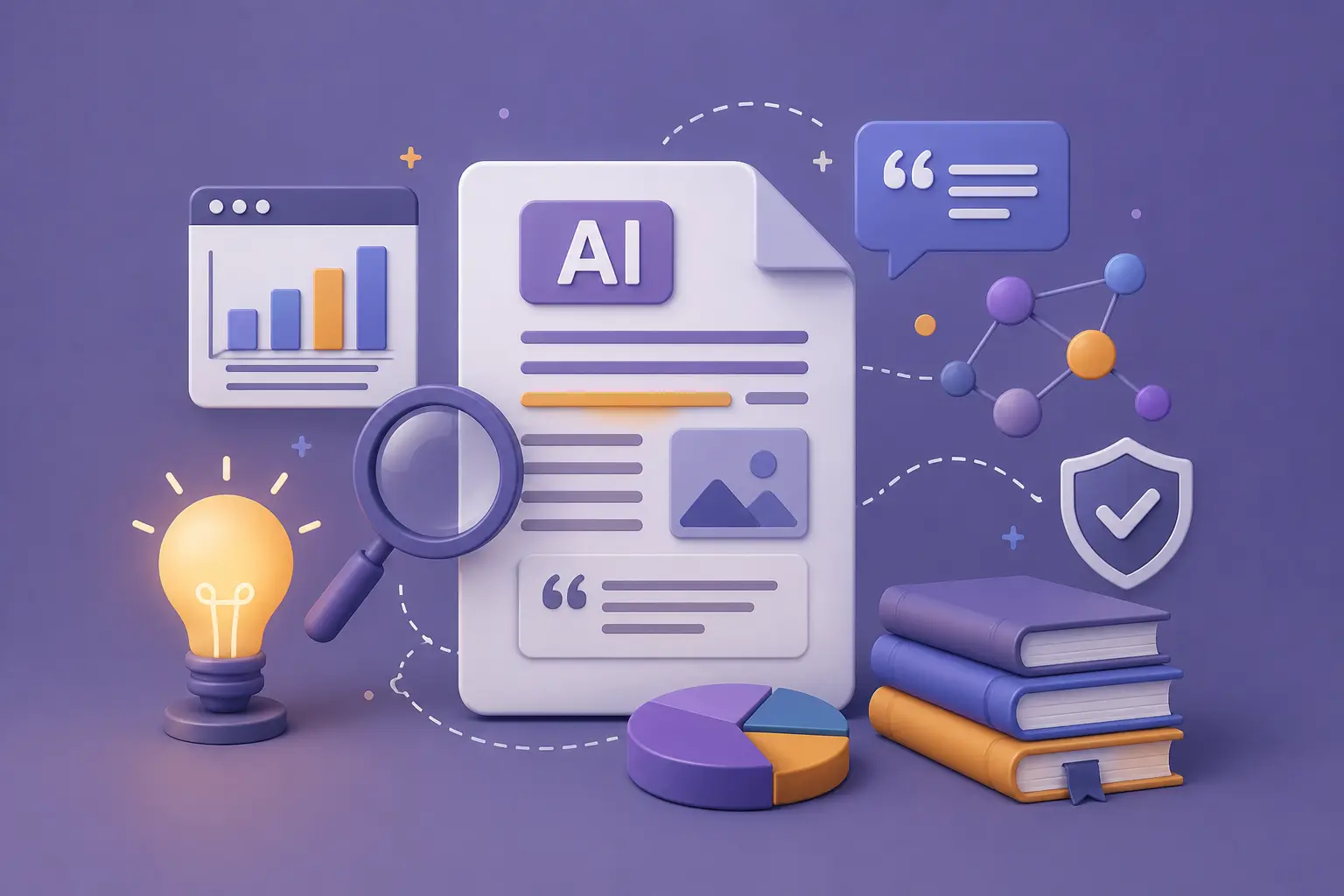
Complete Guide

Making Your Website Readable for AI Search and AI Visibility

AI systems cannot recommend, summarize, or cite what they cannot clearly understand. This guide explains how technical structure, semantic clarity, original information, and trust signals work together to make your website easier for machines to read.

Machine Readability Starts Here
mywebsite.com
TITLE
H1
IMG
JSON-LD
HTML
Schema
AI

How AI Systems Interpret Websites

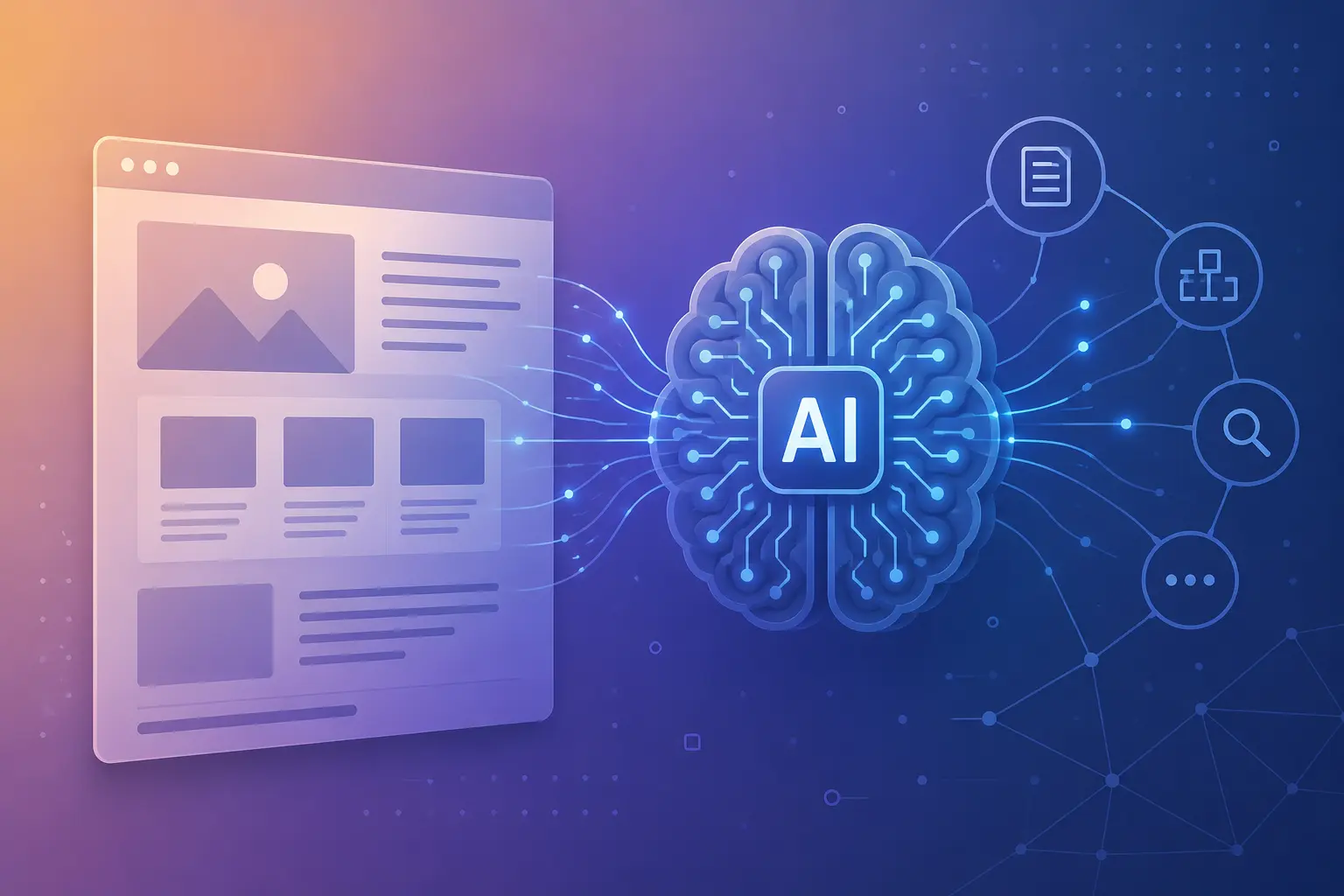
AI systems may interpret your website through raw HTML, visual rendering, and accessibility structure.

AI systems do not depend only on what a human sees on the screen. They may analyze the raw HTML, the rendered page, and the accessibility tree generated by the browser.

Raw HTML helps machines understand hierarchy, headings, links, buttons, metadata, and content relationships. Visual rendering helps identify layout, priority, and visible user paths. The accessibility tree gives machines a cleaner structural layer for navigation, forms, buttons, and fields.

A beautiful website can still be hard for AI systems to interpret if the structure behind it is unclear.
No Single Signal Is Enough
AI systems reading website structure

AI Visibility Requires Multiple Signals

A single optimization cannot make a website fully discoverable, readable, or trustworthy for AI systems.

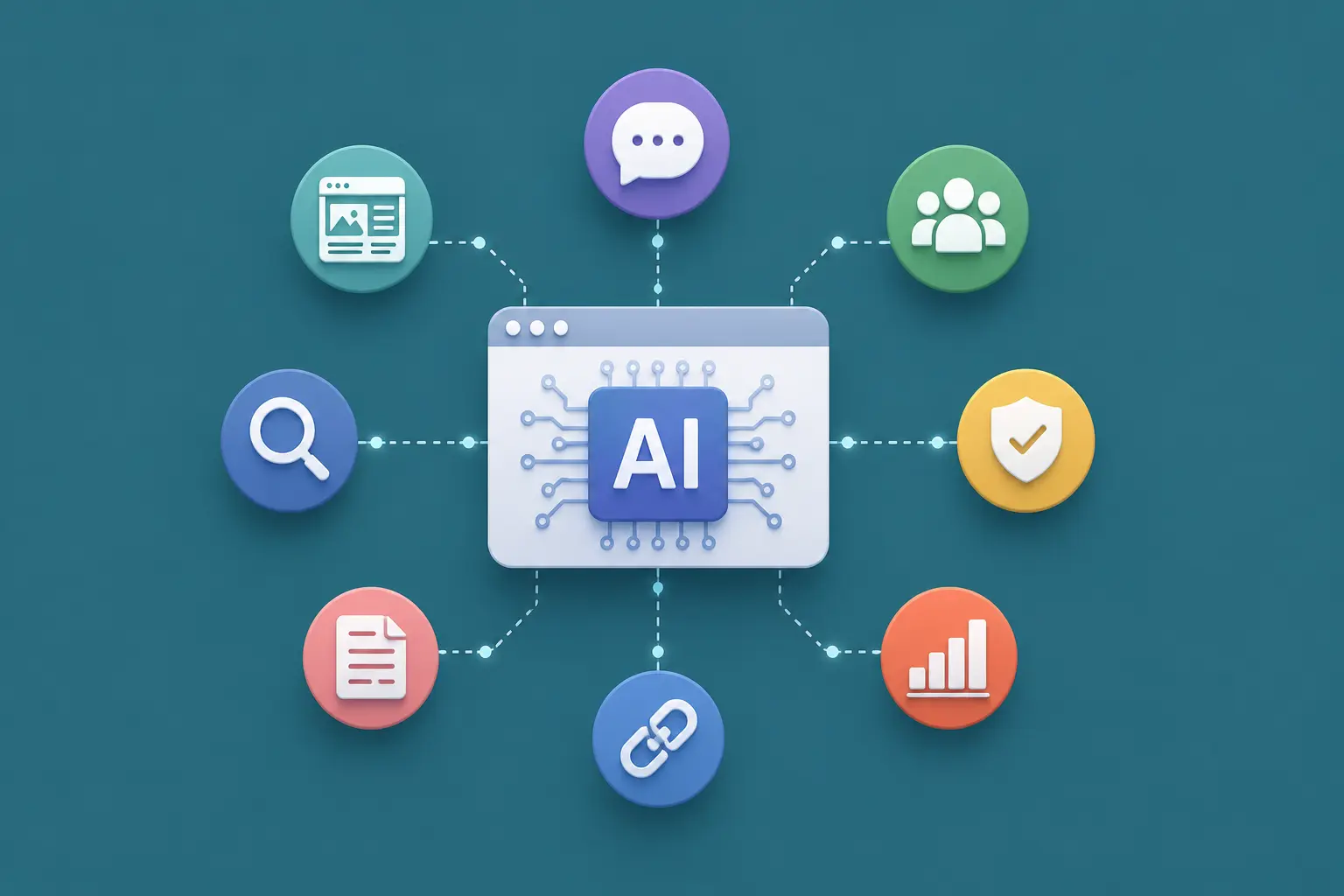
AI visibility is not created by one isolated factor. A title tag helps. Schema helps. Fast loading helps. Clear content helps. Trust signals help. But none of them works alone.

AI systems look for consistency across multiple layers: technical structure, semantic meaning, entity clarity, information value, and credibility.

The goal is not to trick AI systems. The goal is to make your website easier to discover, easier to understand, and easier to trust.

Technical Foundation
mywebsite.com
TITLE
H1
IMG
JSON-LD
HTML
Schema
AI

Building a Machine-Readable Website

Your most important information must be available, readable, and organized before machines evaluate the page.

Technical readiness means your website is built in a way that machines can process efficiently. Critical information such as who you are, what you offer, where you operate, and how users can contact you should be visible early in the page structure.

Clean meta tags, semantic HTML, proper headings, accessible buttons, visible links, stable layouts, and readable navigation all support machine interpretation.

Robots.txt can help control crawler access, while emerging files such as llms.txt may provide a clearer map for AI-oriented systems.

Semantic Understanding
Semantic SEO and AI understanding

Helping AI Understand Your Business

AI systems need to know what your organization is, what it does, who it serves, and how it connects to other things.

AI systems do not evaluate websites only through keywords. They try to understand entities: organizations, people, locations, services, products, topics, and relationships.

Schema markup helps translate your human-facing content into structured facts that machines can process with greater confidence.

When your business name, services, location, contact data, and topic focus remain consistent across pages, AI systems can understand your identity more clearly.

Information Value
Information gain for AI visibility

Create Information Worth Citing

AI systems have less reason to surface content that repeats what thousands of pages already say.

Information gain means your content adds something useful, specific, or original to the web. Generic content is easy to ignore because similar information already exists everywhere.

Original data, direct experience, case studies, field observations, expert insight, and specific examples give machines and users a stronger reason to value your page.

Smaller organizations can compete by publishing clearer, more specific, and more useful information instead of trying to out-produce larger platforms.

Trust and Human Proof
Trust signals and human experience

Building Digital Trust and Authority

As AI-generated content grows, real experience, transparency, and credibility become stronger visibility signals.

Trust signals help users and machines recognize that a website represents a real organization, real people, and real experience.

Clear author information, business details, credentials, reviews, original photography, case documentation, and transparent contact information all support credibility.

AI systems may not “trust” a page the way humans do, but clear evidence of experience, expertise, authority, and reliability makes your content easier to understand and evaluate.

American Nexo Method
mywebsite.com
TITLE
H1
IMG
JSON-LD
HTML
Schema
AI

From Technical Structure to AI Visibility

A clean technical foundation is essential, but AI visibility is built through layers working together.

A technically clean website helps machines access and interpret your content, but structure alone does not create authority, usefulness, or trust.

AI visibility depends on the connection between technical readiness, semantic clarity, original information, entity consistency, and human credibility.

The strongest websites are not only well-coded. They are clear, useful, trustworthy, and structured in a way that machines and people can both understand.